







.jpeg)
When a Brand’s Response Becomes the Crisis
What began as a fleeting TikTok video, one user’s quiet curiosity about a loaf of bread that appeared unusually long-lasting has grown into a full-blown national controversy. Not because of what was said in the video, but because of how the company believed to be implicated chose to respond.
The original post was cautious, almost restrained. No brand name, no logo, no direct accusation, just a question that tapped into an undercurrent of public concern about food preservatives. For a moment, it remained within the familiar rhythm of social media: speculation in the comments, a few shares, a passing wave of attention.
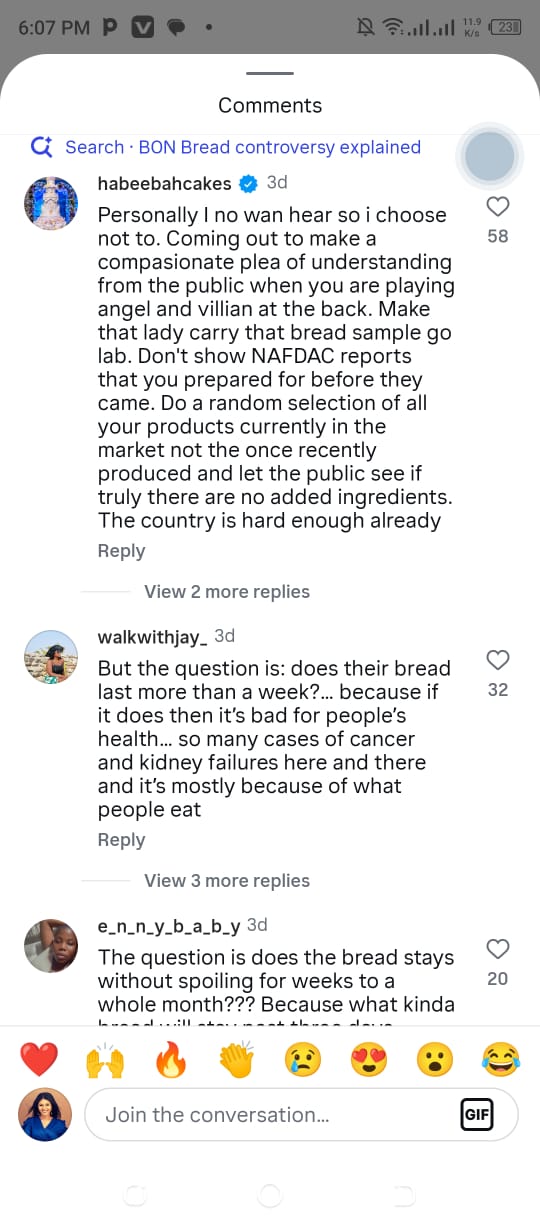
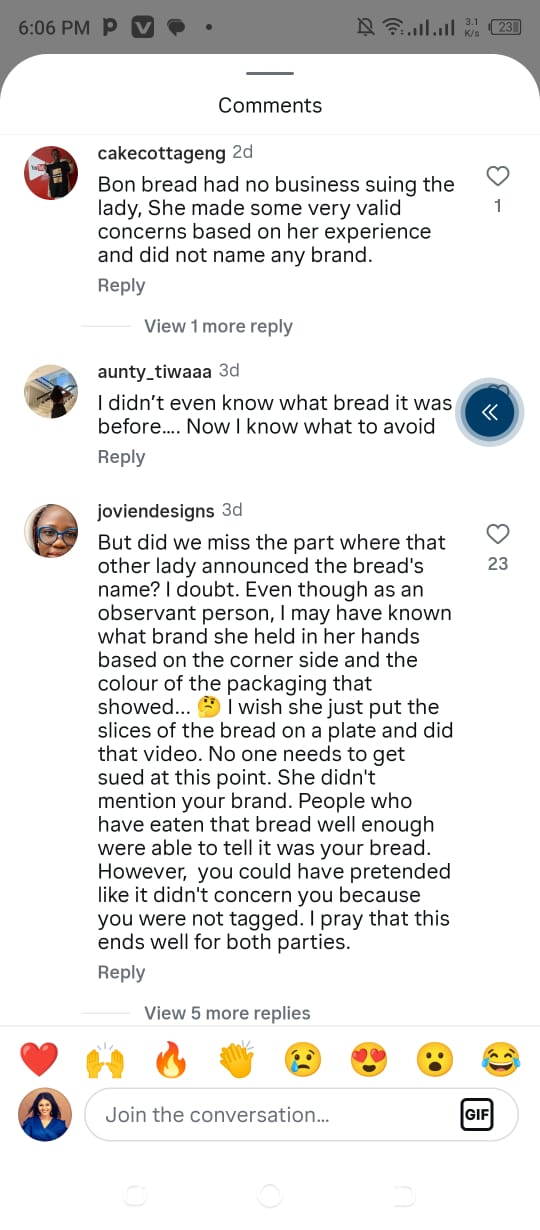
The decision to pursue ₦50 million in damages did more than defend a reputation, it rewrote the story entirely. What had been a niche conversation among TikTok users exploded into a national headline, picked up by major news outlets and amplified across platforms. The backlash was swift and intense. Social media, already primed to distrust corporate opacity, interpreted the legal action not as a defense of integrity but as an attempt to silence scrutiny.
In the days that followed, the brand found itself at the center of a storm it did not control. Hashtags trended, commentary videos multiplied, and public sentiment hardened. The tone shifted from curiosity to confrontation. Consumers who had never seen the original clip now had an opinion not about the bread, but about the brand’s posture. The lawsuit became a symbol, a flashpoint in a broader conversation about transparency, accountability, and the power imbalance between corporations and everyday consumers.
What made the backlash particularly damaging was its self-sustaining nature. Each attempt to justify the legal action seemed only to deepen skepticism. Statements about regulatory compliance and production standards, while technically sound, felt reactive, arriving too late to shape the narrative. By then, the public had already drawn its conclusions, not from the initial claim, but from the company’s response to it.
The financial claim at the heart of the lawsuit added another layer of complexity. To many observers, it raised uncomfortable questions. Could a single, unnamed social media post truly inflict that level of damage? If so, what did that say about the brand’s resilience? If not, why make the claim at all? Either way, the effect was the same: doubt, amplified and shared at scale.
Meanwhile, the conversation refused to settle. Other users began posting their own experiments, testing bread longevity and sharing results. What might have been a one-off observation evolved into a wave of user-driven investigation. The legal action, intended to contain the issue, had instead given it momentum, turning passive viewers into active participants.
In this environment, perception became reality. The absence of early, open engagement allowed speculation to fill the gap. And once the backlash reached critical mass, it was no longer about facts alone. It was about trust, whether the brand appeared willing to answer questions or determined to shut them down.
The deeper lesson is not about bread or even about one company. It is about the fragile dynamics of reputation in the digital age. Consumers no longer expect perfection, but they do expect openness. A measured, transparent response could have reframed the moment as an opportunity to educate and reassure. Instead, the escalation transformed it into a cautionary tale.
By the time the dust began to settle, the original video had become almost irrelevant. What remained was the imprint of the response, a case study in how quickly a brand can lose control of its narrative when it treats scrutiny as a threat rather than an invitation to build trust.
Leave A Comment