






Nigeria Needs Sponsorship, Not Patronage, for Nation Building — Ini Abimbola
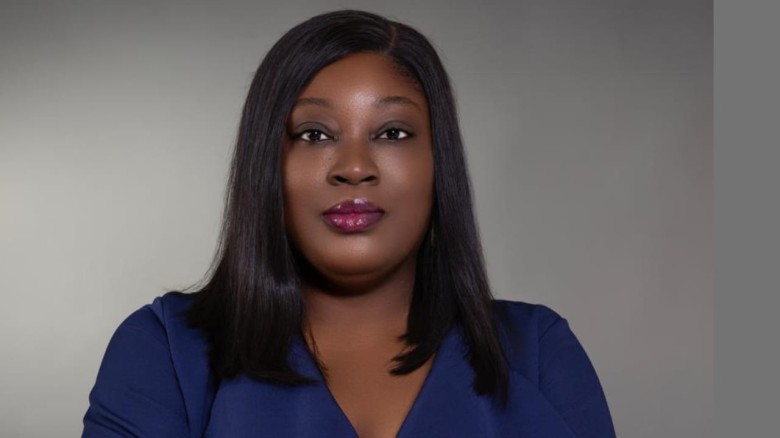
Governance and Institutional Reform Advisor, Dr. Ini Abimbola, has called for a shift from patronage-driven leadership systems to intentional sponsorship as a critical pathway for nation-building and leadership development in Nigeria.
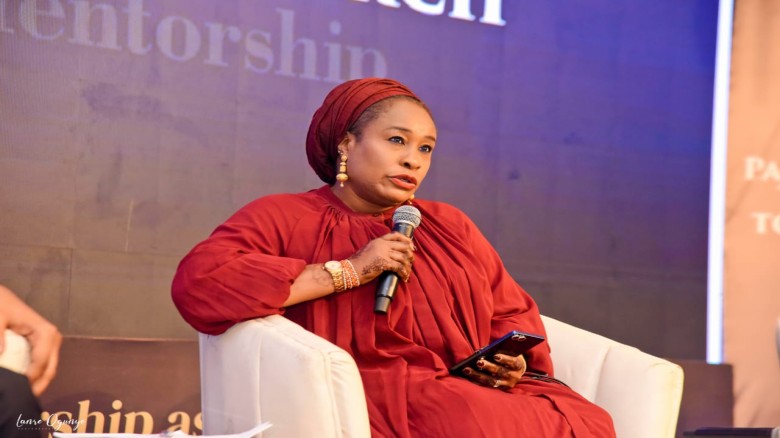
Abimbola made the call while speaking at the colloquium held to commemorate the 60th birthday anniversary of Past President of the National Institute of Marketing of Nigeria (NIMN), Mr. Idorenyen "Idy" Enang, in Lagos.
Speaking on the theme of mentorship and leadership continuity, she challenged conventional interpretations of mentorship, arguing that many people misunderstand what it means to "pass the torch."
"We understand mentorship in very different ways," she said. "Mentorship or passing the torch is not succession planning for your own worldview. It is not about reproducing yourself in another person and expanding your ideas over generations."
Abimbola drew a clear distinction between mentorship, sponsorship, and patronage, explaining that while mentorship provides guidance and advice, sponsorship goes further by investing professional, political, or social capital in another person's advancement.
"Sponsorship is spending your professional or political capital on someone so they can attain something that you perhaps attained or even could not attain," she explained. "Patronage, on the other hand, is giving access in exchange for loyalty."
According to her, Nigeria's leadership culture is dominated by patronage rather than genuine mentorship or sponsorship, a trend she said continues to limit opportunities and hinder national progress.
"In Nigeria, we practice more patronage than mentorship. What we need is sponsorship at scale," she stated.
The governance expert emphasized that true mentorship is not about creating followers but empowering individuals to surpass their mentors.
"Mentorship is not succession planning. It is about equipping people to be better than you are," she said.
She further warned that mentorship can either reduce or reinforce societal inequalities, depending on how it is practiced.
"Mentorship can entrench inequality in the same way it can eliminate it. When we talk about nation-building, it is about pouring into others more than we had the opportunity to receive."
Abimbola stressed that sustainable national development cannot depend solely on the goodwill of individuals but must be anchored on systems and institutions that create opportunities for future generations.
"Individual goodwill does not build nations; systems do," she noted.
Addressing the issue of women's leadership, she argued that the conversation should move beyond mentorship to active sponsorship, where influential leaders advocate for capable women in decision-making spaces.
"I think we have gone beyond mentorship for women leaders. What we need is sponsorship. We need people speaking in rooms where decisions are made and saying there are qualified women who are capable. This is not about gender; it is about competence and opportunity."
Her remarks resonated strongly with participants at the event, reinforcing the broader theme of the colloquium: that effective nation-building requires intentional investment in people, institutional continuity, and leadership models that create opportunities for others to thrive.
Leave A Comment