







“Viral Isn’t Growth”: Osato Evbuomwan Urges Shift from Social Media Buzz to System-Driven Marketing
As brands increasingly chase viral moments and social media engagement, a growing concern is emerging within the marketing industry: visibility is being mistaken for growth.
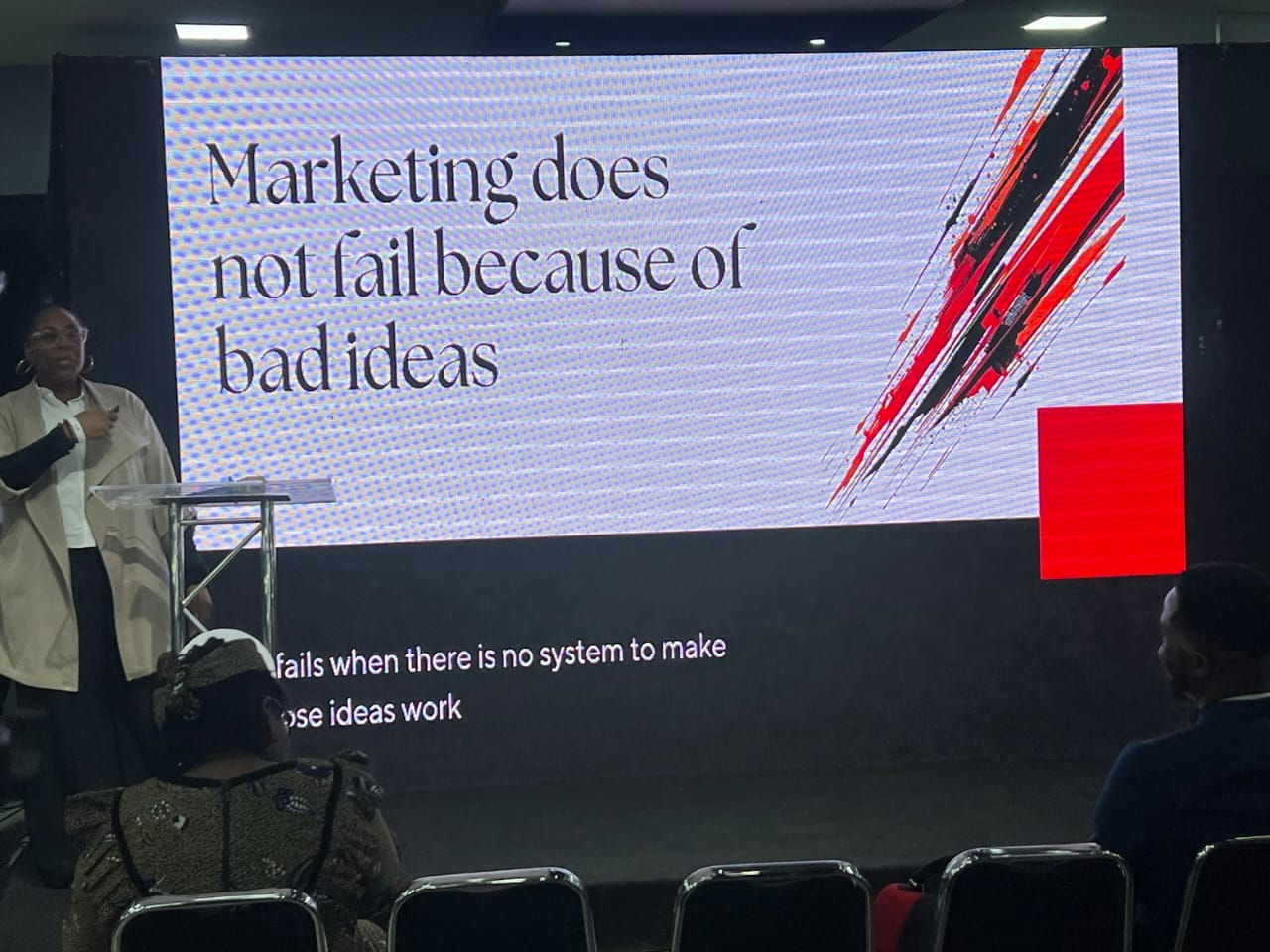
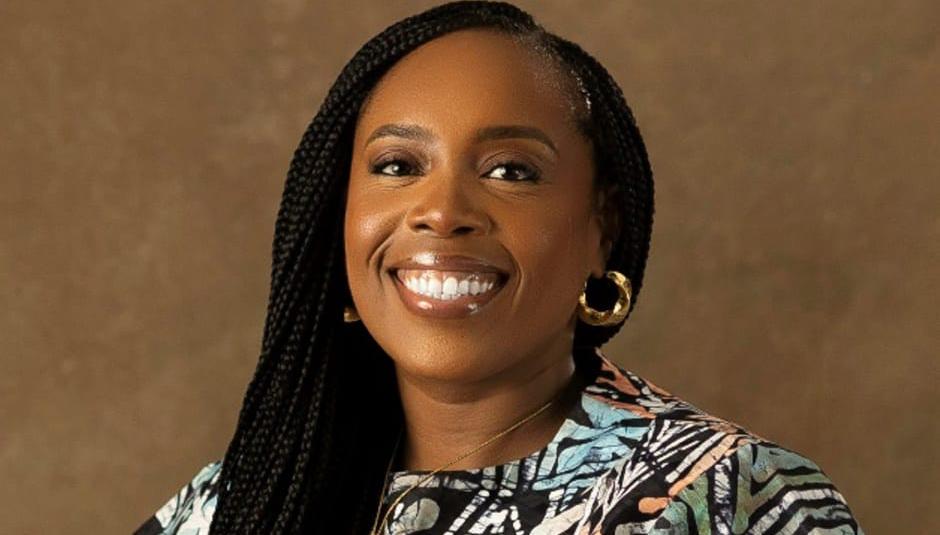
At the AIM One Marketing Mentorship Program, Osato Evbuomwan, Marketing Director at Moët Hennessy Nigeria, challenged this trend, warning that the current fixation on reach, impressions, and online buzz is leading marketers away from their core objective, driving sustainable business results.
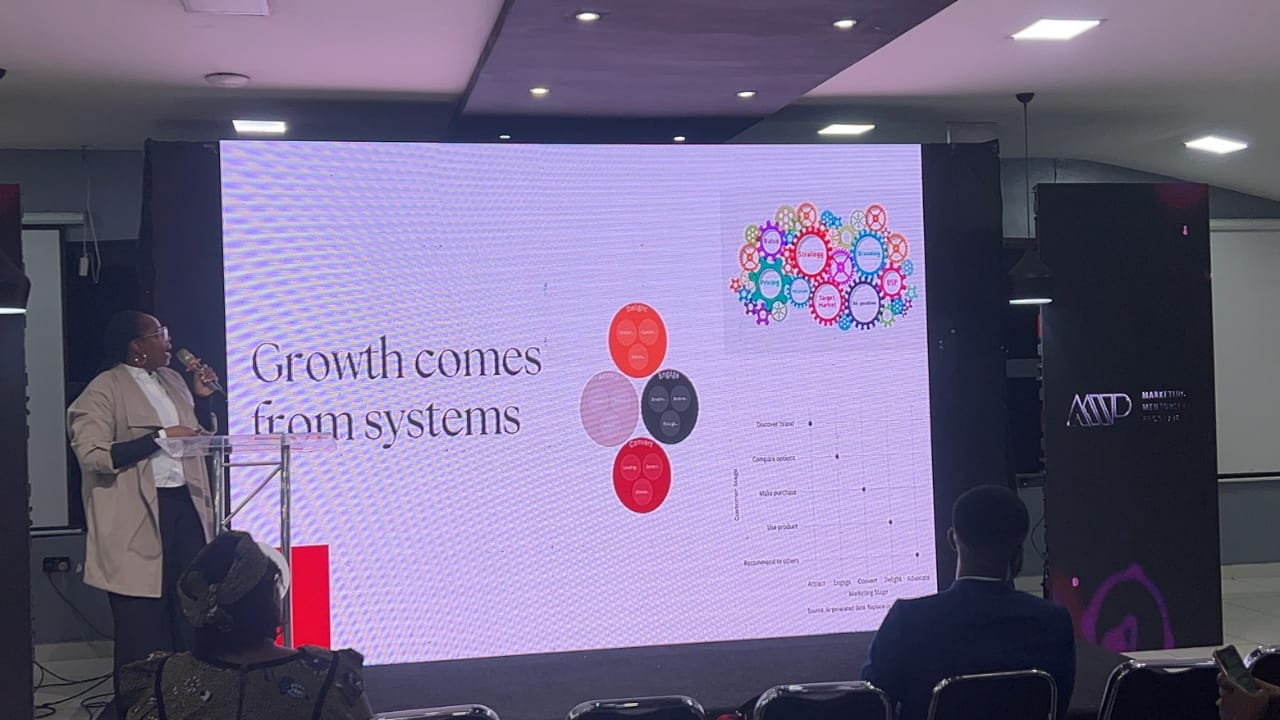
In a keynote address themed “Building What Works: Designing Marketing Systems That Deliver Results,” Evbuomwan said much of today’s marketing is built around short-term performance rather than long-term impact.
“Most marketing today is done in episodes,” she said. “We launch, we celebrate, and we move on. But the primary aim of marketing is to generate demand and drive growth and growth comes from systems.”
Her remarks come at a time when social media platforms continue to reward content that generates immediate engagement, often pushing brands to prioritize trends and virality over consistency and strategic alignment. While such moments can deliver rapid visibility, Evbuomwan questioned their actual business value.
“Viral moments are powerful but did they translate to sales?” she asked. “While marketing may not be sales, we are still charged with driving growth. Marketing is an engine for growth.”
Industry observers note that this over-reliance on engagement metrics, such as likes, shares, and impressions has contributed to a pattern of episodic marketing, where campaigns generate temporary attention but fail to build lasting brand equity or customer loyalty.
Evbuomwan argued that this approach creates a disconnect between marketing activity and business outcomes, making it difficult for organizations to measure true effectiveness or achieve sustained growth.
Instead, she called for a shift toward system-driven marketing, built on four interconnected pillars: insight, brand, execution, and measurement.
According to her, effective marketing begins with a deeper understanding of consumer behavior. “Insight is not about data, it is about intention,” she said, urging marketers to move beyond surface-level analytics to uncover the motivations driving decisions.
She also emphasized the long-term role of branding in shaping consumer memory and preference. “Your brand builds memory before it drives action,” she noted, highlighting the importance of consistency, distinctiveness, and cultural relevance.
On execution, she stressed the need for structured and aligned processes, while measurement, she said, must evolve beyond vanity metrics to focus on tangible business impact.
“What should you measure?” she asked. “Don’t just measure reach, measure frequency. Don’t just measure awareness, measure conversion. Don’t just measure trial, measure repeat purchase. Don’t just measure units sold, measure incrementality.”
Evbuomwan also underscored the importance of continuous testing and accountability in marketing systems. “Test continuously, even when you think you’ve arrived,” she said. “If it does not change action, it is noise.”
Her address reinforced the broader mission of the AIM One Marketing Mentorship Program to develop marketers who combine creativity with strategic discipline.
As the industry grapples with the pressures of an attention-driven digital landscape, her message offered a clear counterpoint: sustainable marketing success will not be built on moments of virality, but on systems designed to deliver consistent and measurable growth.
Leave A Comment