







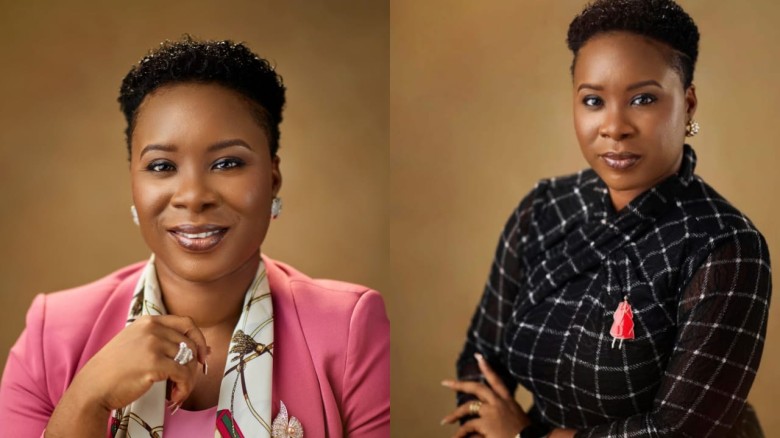
Oge Maduagwu, Head of Marketing at Samsung, on Cross-Sector Impact
You’ve had an incredible career journey spanning media agency, FMCG, and now tech. How has each transition shaped the marketer you are today?
Each stage sharpened a different side of me. Agency life grounded me in hard work, and gave me agility plus a 360° view of how brands connect with consumers. FMCG grounded me in discipline, strategy, and consumer obsession. Tech is stretching me into innovation. Thinking not just of today’s needs but tomorrow’s possibilities. Together, they have built a marketer who is both structured and adaptable.
Looking back, what was the most defining moment that convinced you to move from agency-side marketing into client-side roles?
There was no one defining moment, it was something I knew innately that I wanted to do after a few years at the agency. I wanted to be able to make decisive decisions concerning the brands under my purview. I wanted to be a part of the bigger picture. To see and understand the bigger picture beyond media planning and strategy to the spectrum of the entire P & L, and the wider business conversations behind my clients’ feedback. It was the desire for deeper ownership.
Can you share a moment where your agency background gave you an edge as a client-side marketing leader?
Oh, there have been a whole lot of moments like that, and I remain super grateful for the intense training and grounding at the agency. My media agencies cannot bamboozle me with numbers (laughs) because I know where the proverbial bodies are buried.
On a more serious note though, I find that when navigating complex cross-functional projects, my agency background helps me bridge gaps between creative ambition and commercial reality. I can “speak both languages,” which helps align stakeholders faster and more effectively.
The FMCG sector is often considered the “finishing school” for marketers. What lessons from FMCG have been most valuable in your current tech leadership role?
The FMCG sector is indeed the finishing school for Marketers because it instills the fundamentals of brand building with rigour and discipline. I dare say that Unilever is one of the best finishing schools for any marketer globally. The importance of brand consistency, consumer insights, and rigorous execution across the many brands, were drilled into me during my time there. These are invaluable in tech, where innovation is rapid, but grounding everything in the consumer truth keeps marketing relevant and impactful.
Many FMCG brands thrive on habit and distribution. How did working in FMCG sharpen your understanding of consumer behavior?
It taught me that consumer behavior is both deeply emotional and heavily practical. People form habits around accessibility and trust, but they stay loyal because the brand resonates with their values. That balance is something I carry into tech marketing today.
What was the biggest challenge you faced in transitioning into tech marketing, and how did you adapt?
My biggest challenge was the sheer intensity of the work pace, and that is saying a lot because I am not fazed by hard work. Again, a nod to my background.
In tech, the innovation cycle is much shorter and consumer expectations evolve overnight. The pace of change on this side is high, really high. For example, in the last 12 months, between our Mobile and Consumer Electronics divisions, we have had almost 10 launches, if not more, including global rollouts. It is almost always launch season here. It is incredible.
I adapted by embracing agility, and the ability to pivot quickly, while anchoring decisions in strategy. Also, the knowledge that expectations were high but patience in short supply, quickened my adaptability (laughs). It was between me and my God. I had to sink or swim and, I swam like my life depended on it because it did (laughs).
How do you compare the culture and pace of innovation across agency, FMCG, and tech environments?
I do not like to compare because they are in their own spaces. Agency culture thrives on creativity and responsiveness, FMCG on discipline and process, and tech on speed and reinvention. Each has its own rhythm, but the common thread is the need to stay curious and adaptable.
Tech brands often balance innovation with accessibility, how do you ensure Samsung’s marketing stays aspirational yet inclusive?
For me, it starts with grounding everything in the consumer, balancing inspiration with inclusivity. It is about telling stories that inspire but also connect to everyday realities. We keep marketing aspirational yet inclusive by showing how innovation elevates everyday life. We are not just marketing products, we are building relationships, making people feel seen and showing them how technology can elevate their lives no matter who they are or where they are starting from.
Your journey reflects versatility, what skills or mindsets do you think are universal for success across industries?
Curiosity, adaptability, and resilience. Industries change, but the ability to listen, learn, and evolve is what keeps you relevant. Add Empathy to that, because at the heart of marketing is always a human being you are trying to reach.
Leave A Comment