







FG Backs Responsible AI, Digital Innovation at AIC 4.0
The Federal Government has reaffirmed its commitment to building a globally competitive digital economy, pledging support for policies that promote responsible innovation, protect intellectual property and position Nigeria as Africa's leading hub for creative excellence and digital advertising.
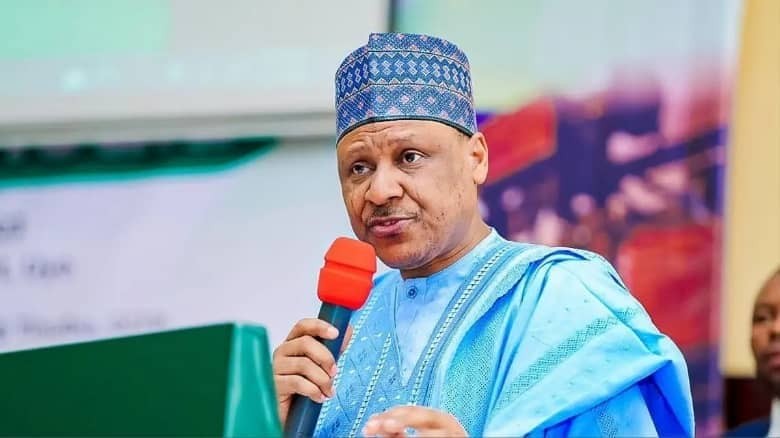
The commitment was made by the Minister of Information and National Orientation, Mohammed Idris, at the fourth edition of the Advertising Industry Colloquium (AIC 4.0) organised by the Advertising Regulatory Council of Nigeria (ARCON) in Lagos.
Speaking on the theme, "The Future of Advertising: The Role of Platforms, People and Regulation," the minister who was represented by the Director-General of the Voice of Nigeria (VON), Mallam Jibrin Baba, said rapid advancements in Artificial Intelligence (AI), digital platforms, big data and immersive technologies are reshaping how brands communicate, consumers engage with content and societies receive information.
He noted that while the digital revolution presents significant opportunities for Nigeria's advertising and creative industries, it also places greater responsibility on regulators and stakeholders to ensure innovation is matched with ethical governance.
"Advertising has evolved far beyond selling products. It now influences culture, shapes public perception, drives economic activity, promotes national identity and supports democratic participation. Regulation must therefore keep pace with innovation without stifling creativity," he said.
According to the minister, the administration of President Bola Ahmed Tinubu recognizes the strategic role of the advertising and creative sectors in national development and is implementing reforms aimed at strengthening Nigeria's digital economy, creating jobs and attracting investment.
He disclosed that Nigeria now boasts one of Africa's largest digital ecosystems, with more than 170 million active telecommunications subscriptions, while sustained investment in broadband infrastructure continues to expand internet penetration across the country.
He added that the ongoing national fibre-optic expansion programme would improve broadband access, lower connectivity costs and open up new opportunities for digital advertising, e-commerce and innovation-driven enterprises.
Describing advertising as a critical contributor to economic growth, Idris said the industry stimulates consumer demand, creates employment, drives innovation and promotes healthy competition.
He urged industry stakeholders to align with government efforts to improve the business environment through fiscal reforms, infrastructure development and investment-friendly policies.
The minister identified Platforms, People and Regulation as the three pillars that will define the future of advertising.
On digital platforms, he acknowledged that while technology has democratised communication, it has also introduced concerns around misinformation, harmful content, privacy, data protection and market fairness.
He stressed that government remains committed to ensuring digital innovation is supported by responsible governance that protects consumers while encouraging enterprise.
Speaking on the role of people, Idris maintained that Artificial Intelligence cannot replace human creativity, ethics and strategic thinking.
"AI may generate content, but authentic storytelling, cultural understanding, emotional intelligence and professional judgment remain uniquely human," he said.
He also emphasised the need to invest in education, digital literacy, innovation and creative entrepreneurship to equip Nigeria's youthful population with globally competitive skills.
On regulation, the minister described an effective regulatory framework as a catalyst for sustainable industry growth, investor confidence and consumer protection rather than a barrier to innovation.
He commended ARCON for modernising advertising regulation through stakeholder engagement, noting that regulation is most effective when it is consultative, adaptive and responsive to emerging realities.
Idris further highlighted the Federal Government's ongoing transformation of public communication through digital platforms to strengthen citizen engagement, transparency and access to credible information on government policies and programmes.
According to him, partnerships between government, the advertising industry and the media remain essential for delivering campaigns that promote public health, national unity, financial inclusion, environmental sustainability, education and responsible citizenship.
He also called for stronger collaboration in developing ethical frameworks around Artificial Intelligence, content creation and intellectual property, stressing that innovation must be balanced with adequate protection for creators.
"The future of advertising will not be determined by technology alone. It will be shaped by the quality of our ideas, the integrity of our institutions and the courage of our leadership," he said.
He urged stakeholders to embrace innovation without compromising ethics or public trust, adding that Nigeria has the potential to become Africa's leading destination for responsible advertising, creative excellence and digital innovation.
The minister thereafter declared the fourth edition of the Advertising Industry Colloquium officially open.
Now in its fourth year, the ARCON Advertising Industry Colloquium has become a key platform for dialogue among regulators, government, academia, practitioners and students on the future of advertising and marketing communications in Nigeria. The annual event continues to foster collaboration, encourage knowledge exchange and drive conversations around policies and innovations shaping the industry's future.
Leave A Comment